ZC/ZL: Imagining Relationships Between Zine Creators and Zine Librarians
DOI:
https://doi.org/10.12794/journals.ujds.v4i1.365Abstract
Current zine library scholarship largely focuses on best practices for zine libraries provided by zine librarians for zine librarians—with only a small subsection of research investigating the attitudes and desires of zine creators themselves. This study used an online survey to gather information from both zine librarians and zine creators about their current and ideal interactions with each other. The study finds that nearly all participants view relationships between the two groups as important and that ideal relationships feature communication, collaboration, and respect for the agency of zine creators over their work. Results also reveal insights about zine culture as a whole, positive and negative characteristics of zine libraries, and a discussion of the balance of power between zine librarians, zine creators, and libraries as institutions.
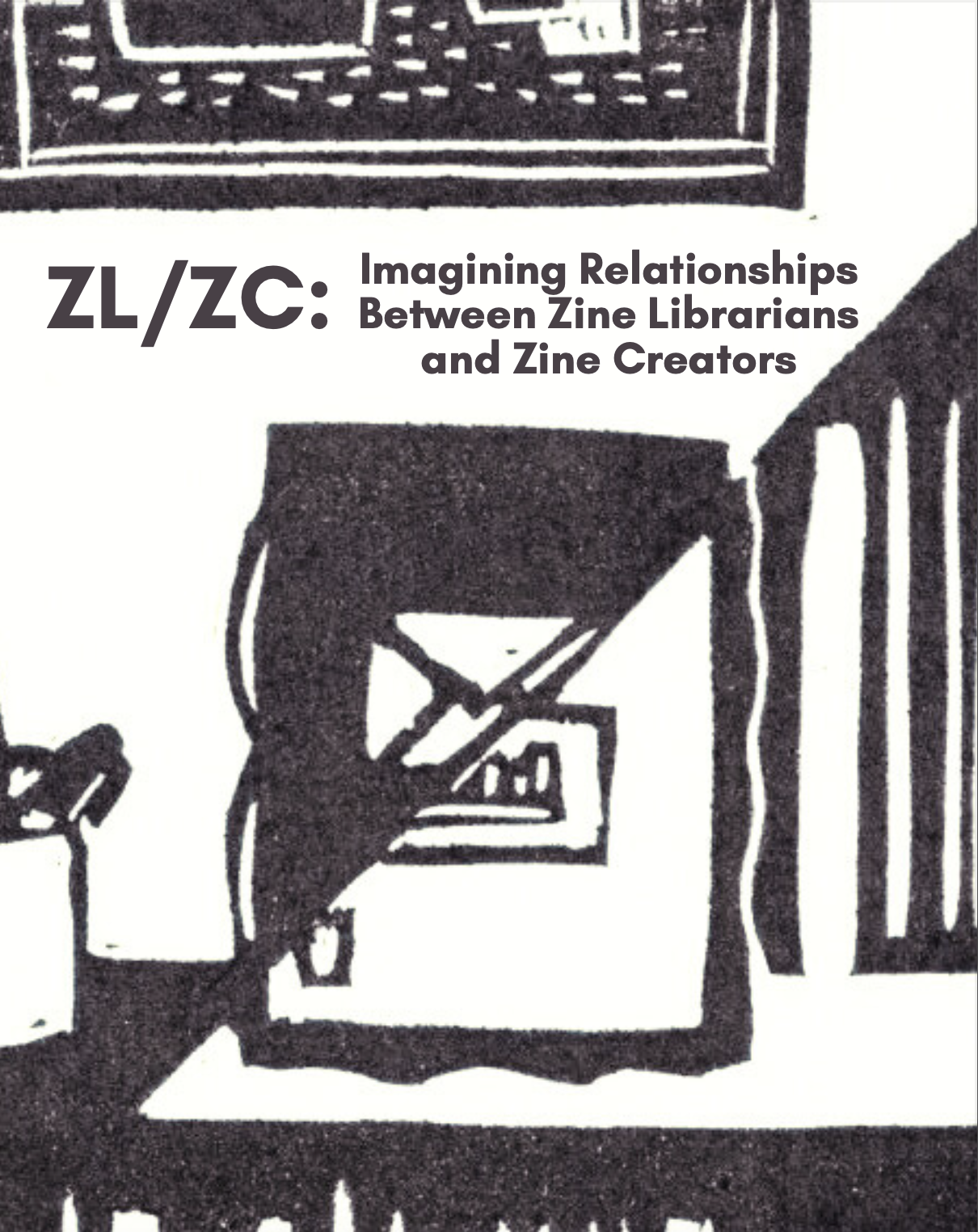
This research is presented as a zine in an academic journal, and specifically as a split zine, with one side focused on the experiences and wishes of zine creators and the other side focused on those of zine librarians. Both of these choices are designed to reflect the dual subjects and audience of this research (both zine-ish and academic, with neither taking precedence). My hope is that this journal will reach zine librarians, the zine will reach zine creators, and both groups will take the opportunity to learn more about not just their colleagues but about each other, thereby strengthening their relationships and zine libraries as a whole.
References
Additional Files
Published
Issue
Section
License
Copyright (c) 2026 Al Cassada

This work is licensed under a Creative Commons Attribution-NonCommercial 4.0 International License.
- Unless otherwise specified by the author/s (because the work contains components to which the author/s do not hold copyright, e.g. licensed music/artwork), works are published using the Creative Commons Attribution-NonCommercial (CC BY-NC) license. Authors may also elect to license their works under more permissive terms at their discretion.
- Authors retain copyright and publishing rights of their work without restriction. We ask as a courtesy that republished works acknowledge Unbound as a previous venue of publication.
 This journal is hosted by the